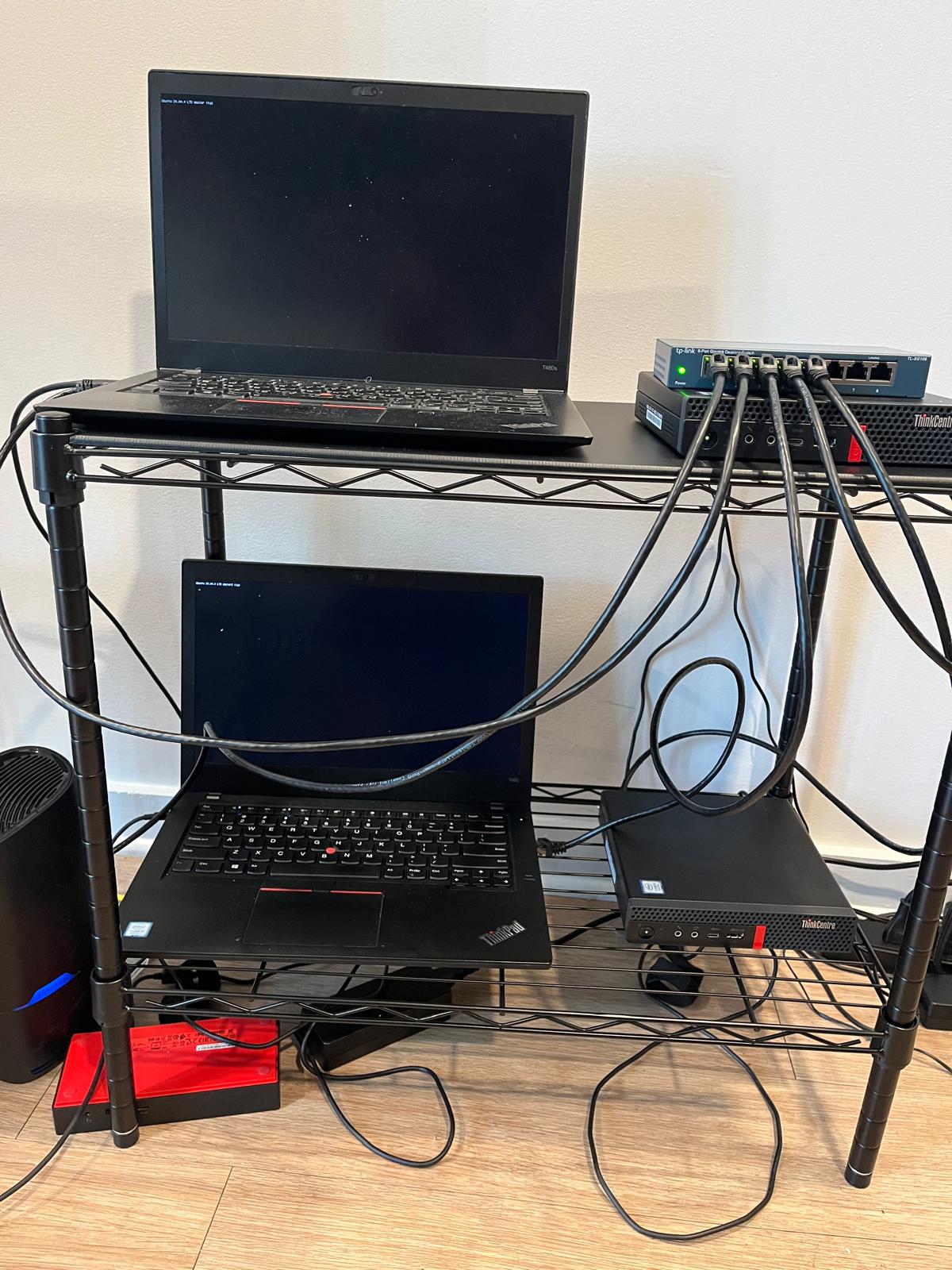
Genesis1 — Two ThinkPad masters, two ThinkCentre workers. The blog you're reading runs on this.

Project Genesis1: I Built a 4-Node Kubernetes Cluster on Bare Metal. Here's What I Learned.

Project Genesis1: I Built a 4-Node Kubernetes Cluster on Bare Metal. Here’s What I Learned. At work, we provision managed Kubernetes clusters. Click a button, get a cluster. Everything abstracted. Everything handled. At home? I built every piece myself. Two control planes. Two workers. GitOps pipeline. Monitoring stack. The blog you’re reading right now? It’s running on this infrastructure. Why build it? To prove to myself I understand what’s underneath the abstraction. To own the gaps instead of hiding them. To build the kind of operational depth that doesn’t come from any exam. This is Project Genesis1. And you’re standing on it. ...

April 13, 2026 · 6 min · Claude R. Hector
The Genesis1 cluster — 2 ThinkPad masters, 2 ThinkCentre workers, running the site you're reading right now.

Allow Me To Reintroduce Myself

If you found your way here from Medium, you already know the backstory. The layoff. The relocation. The certifications. The grind. If you haven’t read it, start there — it sets the context for everything here. This site is the next chapter. What This Is Beyond The Cert is where I document what happens after you pass the exam. Not the study guides. Not the practice tests. The part that comes after — when you realize the certification got you in the door, but what’s behind it is a whole different conversation. ...

April 7, 2026 · 3 min · Claude R. Hector

I Built Kubernetes From Scratch. Here's What Clicked

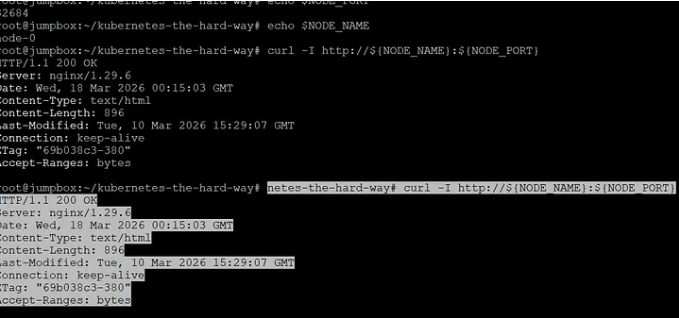
At work, I click a button and get a Kubernetes cluster. Click another button, add a node. When you deal with that much automation, you start to forget — or you just don’t wonder — how things actually work underneath. So I built Kubernetes from scratch. No buttons. No managed services. Just me and the components. The Abstraction Thing Look, abstraction is good. It’s how we ship fast and scale without losing our minds. ...

March 18, 2026 · 6 min · Claude R. Hector

Building Kubernetes the Hard Way: What "Just Running Commands" Actually Teaches You

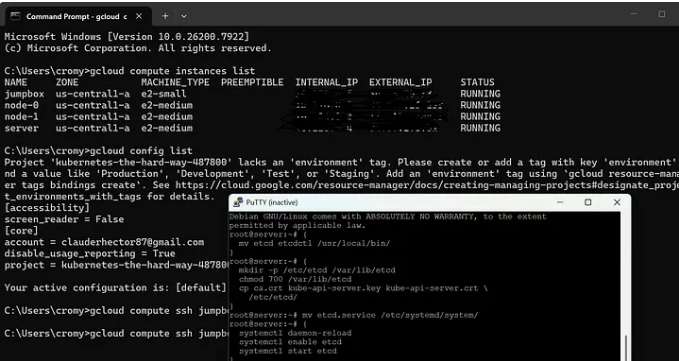
I passed the CKA in January after four attempts. It taught me how to use Kubernetes. But understanding how the pieces actually fit together — that comes from building it yourself. The CKA taught me how to deploy pods, manage services, troubleshoot containers. Mumshad’s KodeKloud course covered the architecture — the API server, etcd, scheduler, controller-manager, kubelet. But KTHW makes you build those connections yourself: generating the certificates that secure communication between components, creating the kubeconfig files that authenticate them to each other, manually starting each service and seeing how they register. ...

March 1, 2026 · 5 min · Claude R. Hector

I Didn't Pass the CKA by Studying Harder. I Passed by Debugging Smarter.

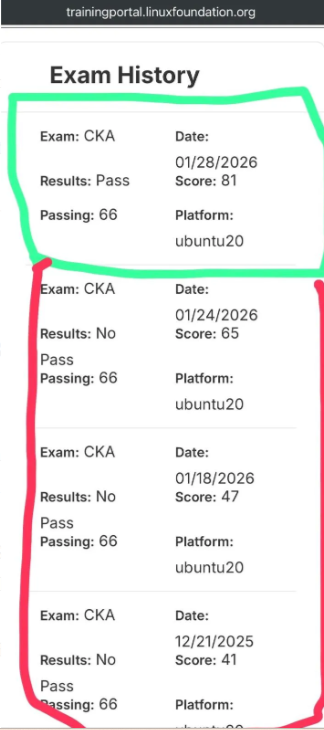
You see the announcement: “I passed the CKA!” Here’s what you don’t see: My story? 41 → 47 → 65 → 81. Four attempts. Three failures. One certification. Here’s what actually happened. The Beginning: September to December 2025 I’d just passed the RHCSA in September 2025. Working in a heavy Kubernetes shop, I figured the CKA would give me the baseline I needed. I knew what K8s was, but I’d never worked with it in a production environment. My company hired me with light K8s skills — now it was time to formalize them. ...

February 24, 2026 · 6 min · Claude R. Hector

Stay in the loop

New posts on platform engineering, Kubernetes, and the homelab journey. No spam.